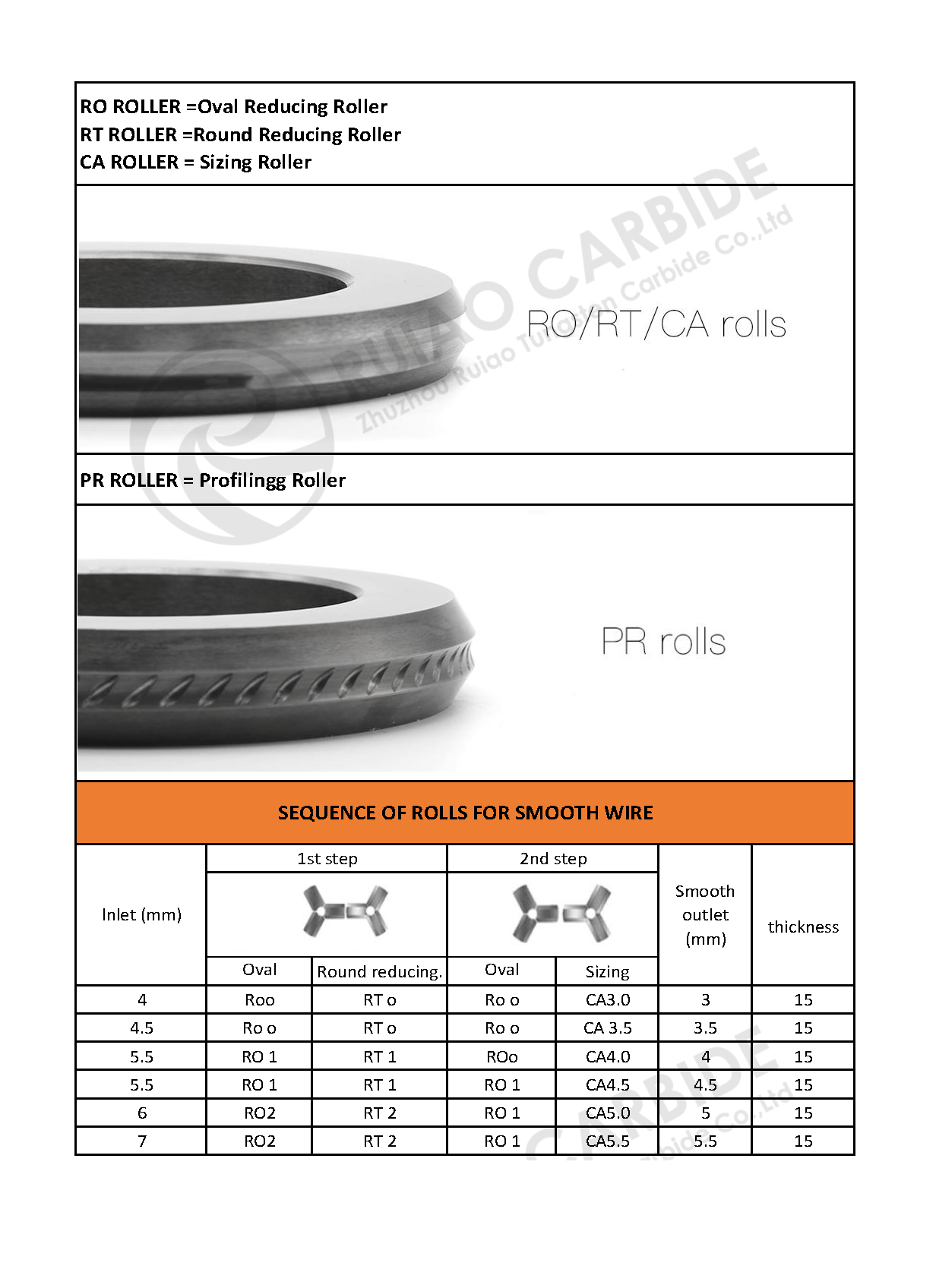
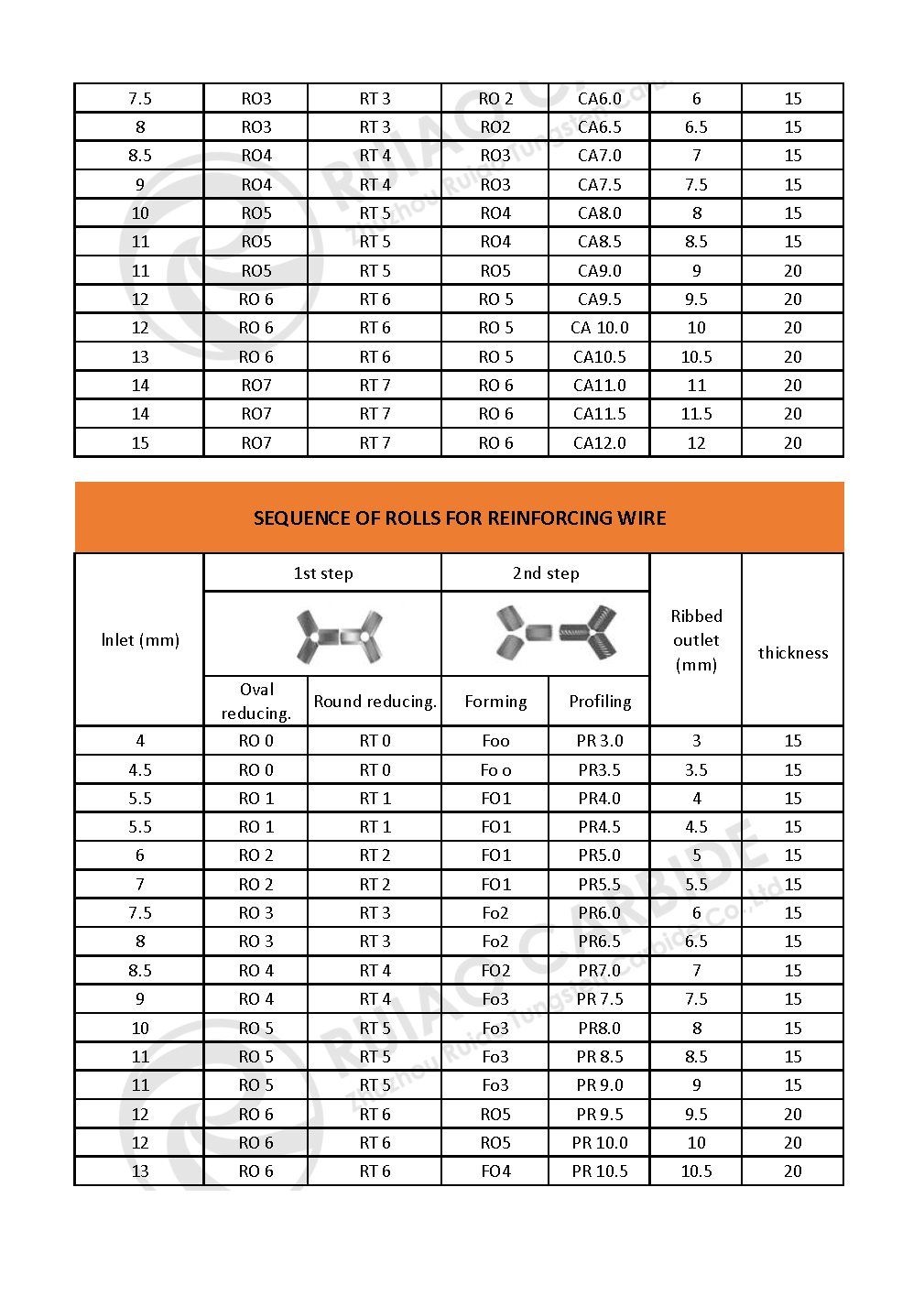
0
0



Tungsten carbide rolls are rolls made through the powder metallurgy process, with hard phases such as tungsten carbide (WC) and titanium carbide (TiC) as the main components, and metals such as cobalt (Co) and nickel (Ni) as the bonding phases.
Performance Characteristics
High Hardness: Cemented carbide rolls have extremely high hardness, generally reaching HRA89 - 93, which is much higher than that of traditional steel rolls. This enables them to withstand great pressure during the rolling process and not be easily deformed, thus ensuring the dimensional accuracy of the rolled products.
Good Wear Resistance: Their wear resistance is excellent. The presence of the hard phase enables them to resist the friction and wear of metals during the rolling process, greatly extending the service life of the rolls, reducing the frequency of roll replacement, and improving production efficiency.
High Compressive Strength: They can withstand the high pressure generated during the rolling process, ensuring that they maintain a stable shape and size during long-term rolling operations, which is conducive to achieving high-precision rolling production.
Excellent Corrosion Resistance: They have good resistance to some corrosive media. In certain special rolling processes, such as rolling metal materials containing corrosive elements, they can maintain the surface quality and avoid affecting the rolling effect due to corrosion.
Good Thermal Stability: Under high-temperature rolling conditions, they can still maintain good mechanical properties and dimensional stability, reducing product quality problems caused by thermal deformation.
Application Areas
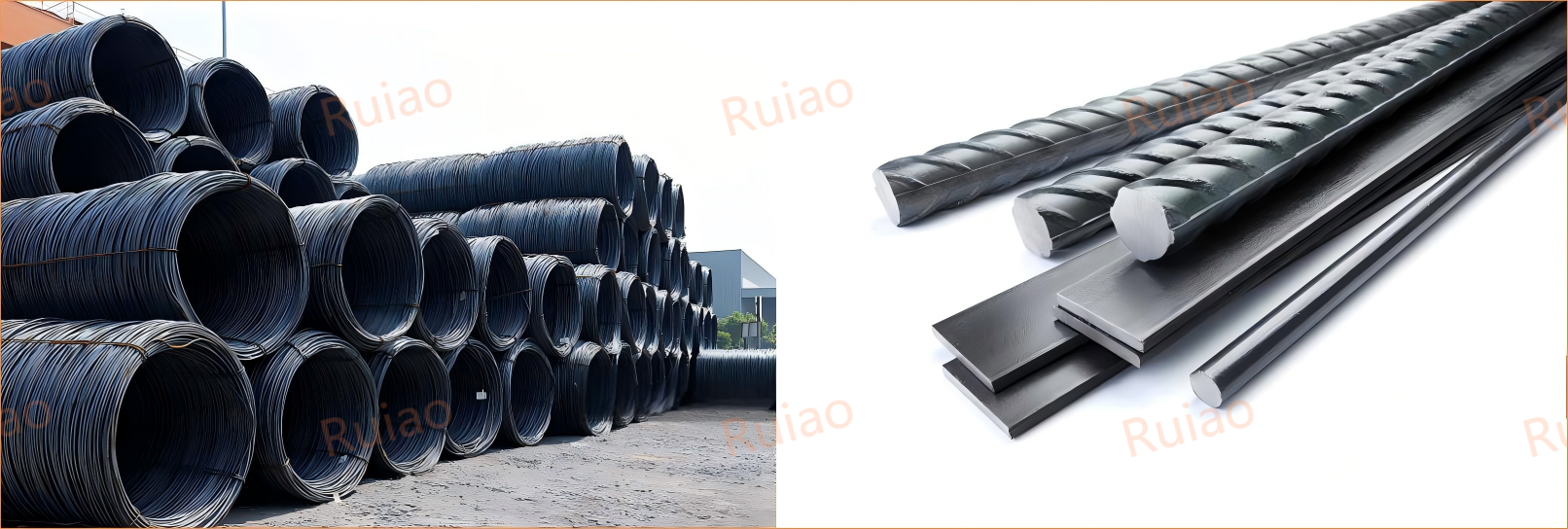
Steel Industry: In the hot and cold rolling processes of steel, they are used to roll various specifications of plates, wires, pipes, etc. For example, in the production of cold-rolled thin plates, cemented carbide rolls can roll out thin plate products with high surface quality and good thickness accuracy, which are widely used in fields such as automotive manufacturing and home appliance production.
Non-ferrous Metal Industry: Cemented carbide rolls also play an important role in the rolling of non-ferrous metals such as aluminum and copper. They can meet the strict requirements for surface quality and dimensional accuracy in the rolling of non-ferrous metals, and produce high-quality non-ferrous metal plates and foils, which are used in industries such as aerospace and electronics.
Development Trends
With the continuous improvement of the requirements for the quality and performance of metal materials in industrial production, the application prospects of cemented carbide rolls will be even broader. In the future, cemented carbide rolls will develop in the direction of higher hardness, better wear resistance, superior corrosion resistance, and lower production costs. At the same time, their manufacturing processes will also be continuously improved and innovated to meet the growing needs of different industries.
Grinding:
Different grades of hard alloy machining performance is very different, its repair and ordinary roll is very different, especially in the turning and milling, need to choose the matching tool material to repair. When grinding the hard alloy roll and its groove, each grinding amount can not be large, generally about 0.5~1.0mm. In process
When the groove surface of the frame is processed, it should be processed on the milling machine with special milling cutter.
If the electric discharge is used for grinding, it is easy to crack the roll and affect the service life and quality of the roll.
Small mill by delivery lathe and milling machine grinding, grinding volume is generally 1.5~2.0mm.
Cooling:
Temperature has a significant impact on the performance of the hard alloy, when the temperature is too high, the hardness and wear resistance of the hard alloy decreases, if a long time of insufficient cooling, will cause obvious cracks on the surface of the roll. Therefore, the cemented carbide roll must be cooled when used in hot rolling environment.